
 Krist S
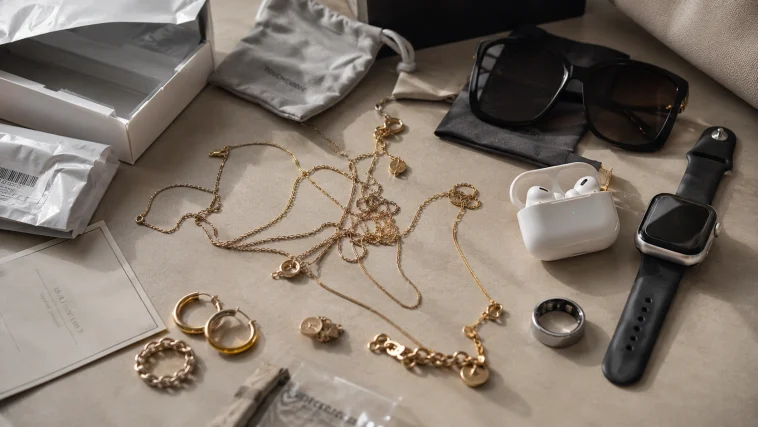
Accessories are strange like that. A lot of them look better in the box than they do after a week of actual use. You open the package, it feels exciting for a moment, then it slowly becomes something you stop reaching for.
Some accessories basically turn into drawer decorations after one week. Not broken. Just… ignored. Sitting there with tags still intact or slightly faded from that first “try-on phase” that never really turned into daily wear.
Why do people regret buying fashion accessories?
People often regret buying fashion accessories because online photos and trends make items seem more useful or stylish than they actually are. In real life, problems like discomfort, poor durability, fading materials, and impractical designs become much more noticeable during daily wear.
A lot of the regret starts online. Product photos are clean, lighting is perfect, and everything looks more wearable than it actually is. Social media makes it worse. You see the same ring or smartwatch styled perfectly in a short video, but it skips the part where it might feel heavy, scratchy, or just annoying after a few hours.
That gap between how something looks online and how it behaves in real life is where most bad accessory purchases happen. Jewelry that tarnishes faster than expected. Earbuds that feel fine for ten minutes, then start to irritate. Smartwatches that look sleek but feel bulky when you actually wear them through a normal day.
This is where most people start noticing patterns in their own buying habits. The same kinds of accessories end up unused. The same types of regrets repeat. And most of it comes down to things that are easy to miss when you’re only looking at product photos and hype clips.

Why So Many Fashion Accessories End Up Unused
Most accessory regret doesn’t come from one big mistake. It comes from small, repeated decisions that feel harmless at the time.
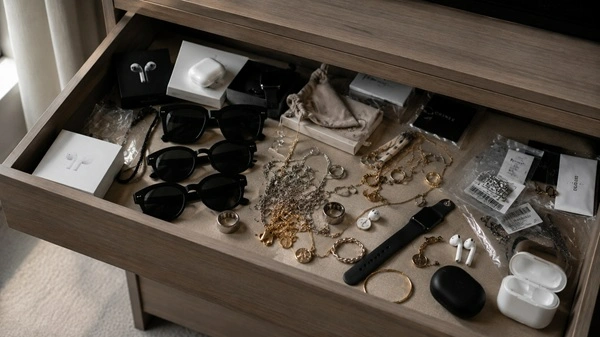
A common pattern is buying accessories for a version of life that rarely happens. Things like “special occasion” earrings that only make sense for events that come twice a year. Or sunglasses that feel essential on a summer trip but never really work for daily errands or commuting.
There’s also a quieter habit that shows up a lot. People end up owning duplicates without really noticing it. Two pairs of almost identical black sunglasses. Three earbuds because the first pair had “a small issue,” and the second one wasn’t perfect either. A drawer full of slightly different accessories that all promised to be the one that finally works.
A lot of people keep buying slightly different versions of the same accessory, hoping the new one finally feels right. It rarely does. It just adds another item to the same cycle of “I’ll probably use this later.”
Another reason is timing. Accessories are often bought during short moments of motivation. A sale pops up, a trend starts circulating, or someone sees a styled outfit online that feels easy to copy. The purchase happens fast, but daily life doesn’t change with it. The accessory ends up waiting for a moment that never really comes.
Over time, these small decisions build up. Not because people are careless, but because accessories are low-cost enough to feel like harmless experiments. Until they aren’t.
Buying Accessories Just Because They Look Good Online
This is usually where most regret starts. Not from the price, but from how convincing the product looks on screen.
A lot of accessory listings are designed to look more premium than they actually are. Lighting is softened, shadows are controlled, and textures are slightly blurred to hide flaws. Some product photos barely resemble the actual item once it arrives under normal lighting.
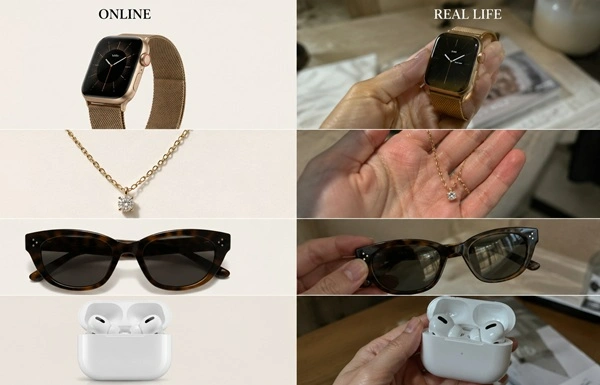
TikTok Shop and similar platforms have made this worse. Short videos show accessories in perfect motion, often with heavy filters or controlled angles that hide size issues. A ring might look bold and solid in a clip, then arrive thinner and lighter than expected. Earrings that look balanced on camera can feel oddly oversized or fragile in real life.
There’s also the problem of misleading scale. Accessories are often photographed without real-world reference points, or styled in ways that make them look larger, heavier, or more substantial than they are. A necklace might look like a statement piece online, then arrive closer to something subtle or delicate.
Counterfeit-style designs also sit in this space. Not always outright fakes, but “luxury-inspired” pieces that closely mimic high-end aesthetics without the materials to match. They look convincing in photos, but lose that effect quickly once you see the finish up close.
AI-generated or heavily edited product images are starting to blur this line even more. Some listings show a version of the accessory that is technically real in concept, but slightly enhanced in texture, shine, or proportions. The result is a product that feels familiar when it arrives, but not quite the same as what you thought you were buying.
The issue isn’t just appearance. It’s an expectation. The gap between what you think you ordered and what you actually unwrap is where most disappointment starts.
Common Jewelry Buying Mistakes People Regret Later
A lot of jewelry regret doesn’t happen immediately. It builds up through small issues that only show up after repeated wear.
One of the most overlooked details is clasp quality. Cheap clasps are one of the fastest ways jewelry becomes unwearable. A necklace that looks great in photos can turn frustrating if the clasp keeps slipping open or feels too fragile to trust in daily use.
Another common issue is misleading material labeling. Some brands label jewelry as hypoallergenic without clearly explaining the actual metal composition. That becomes a problem when skin irritation shows up after a few wears, especially with rings and earrings that stay in contact with the skin for long periods.
Water resistance is another area people rarely think about until it’s too late. Jewelry that isn’t properly sealed can start fading or discoloring after exposure to sweat, soap, or even humidity. This is especially common with gold-plated pieces that look fine at first but lose their finish faster than expected.
Maintenance and storage also matter more than most buyers expect. Some pieces require careful storage to avoid tangling, scratching, or tarnishing. When that isn’t realistic for everyday routines, the jewelry often ends up unworn simply because it feels like too much effort to maintain.
There’s also the problem of buying jewelry that only works in controlled styling conditions. A piece might look perfect in a curated outfit but feel out of place in everyday wear. Over time, those “special outfit only” items slowly get pushed to the back of a drawer.
The result is usually the same. Not broken jewelry. Just jewelry that slowly stops fitting into daily life.
Wearable Tech Mistakes That Become Annoying Fast
Wearable tech sounds practical until small inconveniences start piling up.
A smartwatch might look impressive in reviews, but feel too large for everyday wear. Some people buy oversized models because they appear more premium online, then realize the watch catches on sleeves or feels heavy during work and commuting.
Battery life becomes another issue that people underestimate. Charging a smartwatch every single night sounds manageable at first. Eventually, it starts feeling like another device demanding attention.
Smart rings are becoming more popular, too, but not all of them justify the price. Some models offer limited features beyond basic health tracking while still requiring regular charging and app subscriptions.
Earbuds probably cause the most buyer regret overall. Comfort varies massively between designs. What works for one person may feel painful for another after extended use. That is why detailed reviews mentioning fit and long-term comfort matter more than flashy specifications.
A lot of wearable tech also ages quickly because trends move fast. Something that feels futuristic now can start looking outdated within a year if the design relies too heavily on current hype.
Accessories That Usually Sound Better Than They Actually Are
Some accessories feel perfect in theory, but lose practicality once they become part of daily life.
Tiny bags are a good example. They work well for certain occasions but become limiting for daily use, especially when you need to carry more than just a phone and cards. They often look polished in outfit photos, but real-life situations usually demand more space than they allow.
Heavy earrings fall into a similar category. They can look striking at first, especially in styled photos or short videos, but long wear changes the experience. After a few hours, weight starts to matter more than appearance.
Trend-driven sunglasses also tend to follow this pattern. Unusual shapes or oversized frames can look interesting online, but comfort and visibility don’t always match the aesthetic. Once worn in everyday conditions, they may feel more like a styling piece than something you naturally reach for.
Even novelty accessories fall into this space. LED pieces, bold experimental designs, or highly stylized items often generate excitement during purchase. But without regular use cases, they tend to fade into “occasion-only” items that rarely leave the house.
The pattern is usually the same. An accessory can look like a strong style choice in isolation, but daily wear exposes whether it actually fits into real routines.
What to Check Before Buying Fashion Accessories Online
Most accessory regret starts before the purchase is even confirmed. It usually comes down to skipping a few small details that don’t seem important at the time.
One of the first things to check is material transparency. If the listing is vague about what the accessory is actually made from, that’s often a warning sign. Clear breakdowns like stainless steel, sterling silver, or specific alloys usually indicate better consistency than generic terms that avoid specifics.
Weight and dimensions matter more than people expect. Accessories that look minimal online can feel heavier or bulkier once worn daily. Earrings, rings, and smartwatches especially need proper sizing details because comfort changes completely depending on fit.
Customer photos are more reliable than product images. Real-world lighting shows texture, scale, and wear in a way studio shots don’t. If a listing has very few customer uploads, it becomes harder to judge how the accessory behaves outside of controlled photos.
Return and refund terms are another key detail, especially for accessories that are difficult to resell. Some stores quietly make returns expensive by charging high return shipping costs or limiting refund windows. That friction often turns small regrets into permanent ones.
It’s also worth paying attention to fake review patterns. Repetitive phrasing, overly polished language, or clusters of overly positive short reviews can sometimes signal incentivized feedback. Not always, but enough to warrant caution when combined with unclear product details.
Warranty length and replacement policies are often overlooked but matter more for wearable tech and higher-cost accessories. A short or unclear warranty can turn minor defects into out-of-pocket losses later.
A simple way to filter most bad purchases is to run through a quick internal checklist before buying.
- Material clarity
- Weight and dimensions
- Real customer photos
- Return and refund conditions
- Return shipping costs
- Warranty or replacement policy
- Signs of sponsored or incentivized reviews
If any two or three of these are missing or unclear, it usually means the purchase deserves a second look.
Fashion Accessories That Are Usually Worth Spending More On
Not every accessory needs a bigger budget, but some categories quietly punish cheap choices over time.
Everyday jewelry is one of them. Pieces that are worn constantly tend to go through sweat, friction, and repeated handling. Cheaper metals or thin plating often don’t survive that kind of routine. Spending more here usually means fewer replacements and less irritation over time.
Commuter earbuds are another category where spending a bit more usually makes sense. Daily use exposes comfort issues quickly. Poor fit becomes obvious during long listening sessions, especially on travel days or long work hours. Better designs usually focus more on long-term wear than short demo impressions.
Waterproof or at least water-resistant watches are also worth prioritizing. Not because everyone is swimming with them, but because daily exposure to humidity, handwashing, and unexpected weather adds up. Lower-quality watches often start showing wear faster in those conditions.
Travel-friendly accessories tend to justify higher spending as well. Items like durable sunglasses, sturdy crossbody bags, or compact organizers go through more handling than expected. Cheap versions often fail at the small details like stitching, hinges, or closures, which become noticeable halfway through a trip.
Versatile accessories that work across multiple outfits are usually better long-term choices too. A simple watch design or neutral-toned jewelry piece tends to stay relevant longer than trend-heavy items that only fit specific looks or seasons.
The pattern isn’t really about price. It’s about the frequency of use. The more often something is worn or handled, the more visible its weaknesses become.
How to Shop for Accessories More Practically
A lot of accessory regret doesn’t come from bad taste. It comes from timing and mindset.
Many purchases happen in moments that feel slightly emotional rather than practical. A quick scroll, a styled outfit video, or a flash sale can create a sense that something will “upgrade” your look immediately. That feeling is often stronger than the actual need for the item.
Boredom also plays a bigger role than people admit. Small accessories become easy distractions during idle scrolling. A ring, a pair of earbuds, or a smartwatch suddenly feels like a small lifestyle improvement, even if there was no real intention to buy anything a few minutes earlier.
Algorithm-driven feeds make this worse. Once you interact with a single accessory video, similar items keep appearing until they start feeling familiar. Familiarity often gets mistaken for interest, even when there was no original intent to shop.
Limited-time pressure adds another layer. Phrases like “low stock,” “almost gone,” or countdown deals create urgency that short-circuits slower thinking. The decision feels time-sensitive, even when the product itself is not.
A lot of accessory purchases happen because people want a quick feeling of style improvement. Something small, visible, and instant. The problem is that real-life use rarely delivers that same quick emotional return after the purchase.
Slowing that gap between impulse and decision changes most outcomes. Even a short delay before buying is often enough to separate what feels exciting in the moment from what actually gets worn.
Conclusion
In the end, most accessory regret doesn’t come from buying the wrong “type” of item. It comes from how quickly something moves from exciting to ignored once it becomes part of everyday life.
A ring can look perfect in a product photo, then slowly stop getting worn. Earbuds can feel like a great upgrade, then become slightly annoying during long use. Even a smartwatch that seemed like a lifestyle improvement can end up feeling like another thing you need to charge and manage.
The best accessories don’t usually announce themselves. They don’t feel excited every time you wear them, and they don’t rely on attention or novelty. They just fit in quietly, without friction, until you almost forget you’re wearing them at all.
That’s usually the difference between something that gets used and something that ends up forgotten.