
 Helena T.
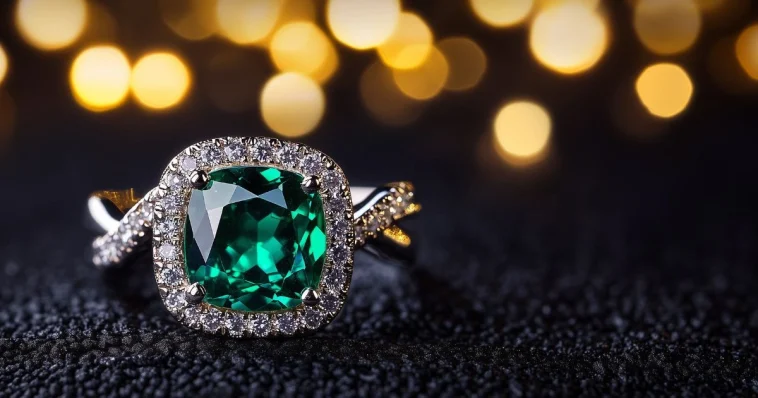
Choosing an emerald engagement ring is exciting but a bit more complex than buying a standard diamond ring. Emeralds are prized for their rich green color and deep symbolism, but they behave differently from other gemstones. Before making any purchase, whether online or in a jewelry boutique, there is one key thing every buyer should check carefully: the stone’s quality and treatment disclosures. Understanding this upfront ensures that the ring you choose truly reflects value, authenticity, and long‑term wearability.
Emeralds are softer than many other gemstones and almost always show natural inclusions known as jardin (French for garden). Rather than seeing these as flaws, experienced buyers recognize them as a hallmark of authenticity. Most emeralds on the market are treated with oil or resin to improve clarity, and this should always be disclosed clearly. A reputable jeweler will provide lab certification and explain exactly what enhancements have been applied. Armed with this knowledge, you can feel confident about your investment and the ring’s future beauty.
Introduction To Emerald Engagement Rings
Emerald engagement rings have captured hearts for centuries and remain a meaningful choice for couples seeking something distinctive. Their lush green color carries associations of love, growth, and renewal, making them especially fitting for celebrations of long‑term commitment. Unlike diamonds, emeralds display a vivid, lively green that seems to come from within the stone itself.
Emerald engagement rings also offer a story that goes beyond sparkle. They have been treasured by royalty and leaders throughout history, symbolizing wisdom and enduring love. Whether you prefer a classic solitaire with a striking emerald center or a halo design that frames color with diamonds, the unique character of an emerald ring makes it stand out in a crowd.
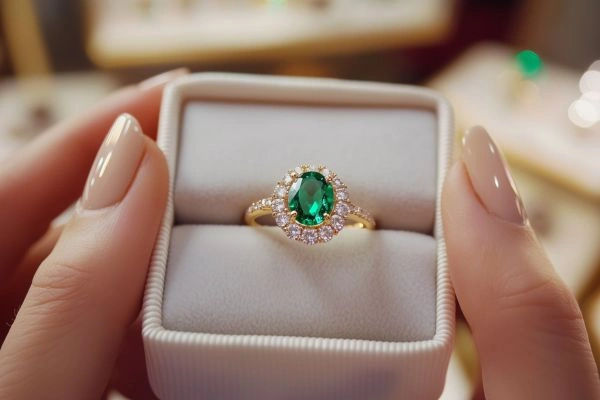
However, before choosing a ring, there are specific aspects of emeralds that matter more than the traditional 4Cs used for diamonds. Emeralds require special consideration for quality, durability, and care. This article will walk you through all these factors to help you make a smart, satisfying choice.
What Makes Emerald Engagement Rings Unique
Emeralds belong to the beryl family of minerals and are most prized for their green hue, which varies from bright, grassy tones to deep, bluish‑green shades. Unlike diamonds or sapphires, emeralds nearly always contain inclusions, which are internal features that can affect clarity. These inclusions are referred to as jardin, a term gemologists use to describe their natural, garden‑like appearance.
Emerald engagement rings differ from other gemstone rings because of how the stone interacts with light and color. The rich green hue of emeralds is unmatched by that of most other stones, making them instantly recognizable. In good light, a high‑quality emerald appears to glow from within, offering depth rather than brilliance. While this doesn’t match the intense sparkle of a diamond, it offers a lush, elegant visual presence that many find deeply meaningful.
Because emeralds are softer on the Mohs hardness scale (about 7.5 to 8), they require protective settings that help safeguard the stone from knocks and daily wear. Bezel or halo settings are commonly recommended because they surround the stone with metal or accent stones that help absorb impact and enhance longevity.
Understanding Emerald Quality: Beyond the Basics
Unlike diamonds, where color and clarity are graded according to strict scales, emerald quality is determined by its own rules. When evaluating an emerald, color dominates quality assessment because it contributes most to the stone’s appearance and emotional impact. The most desirable emeralds display a medium-to-deep, evenly distributed, vivid green.
Clarity is the next factor to consider. Inclusions in emeralds are normal. Instead of seeking total clarity, aim for a balance where inclusions do not overly distract from the stone’s rich color. It is essential to obtain independent lab certification when possible, which confirms the emerald’s authenticity and details any treatments it has undergone.
Carat weight and cut also influence price and appearance. Because emeralds often include natural inclusions, the cut is designed to maximize color while minimizing their visibility. Emeralds cut in their signature rectangular shape can emphasize color intensity and offer a classic look when set in engagement rings.
Natural vs Lab‑Grown Emeralds
When shopping for an emerald engagement ring, one of the most important decisions is whether to choose a natural or lab‑grown stone. Each type has its own set of advantages.
Natural emeralds form over millions of years and are valued for their uniqueness. Each stone has a distinctive jardin pattern and slight variations in tone, making no two emeralds exactly alike. Because high‑quality natural emeralds are rarer, they can hold value well and remain treasured keepsakes for generations.
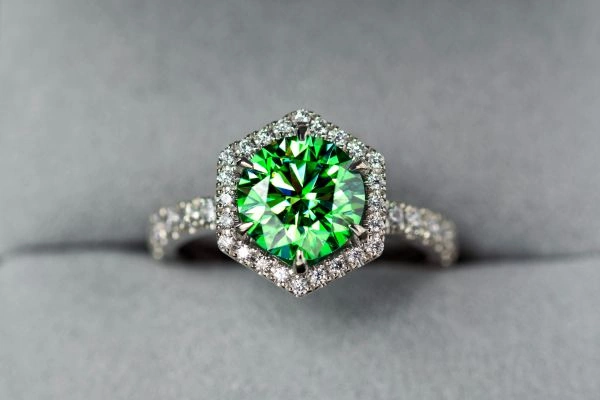
Lab‑grown emeralds, on the other hand, are created in controlled environments and share the same chemical and optical properties as natural stones. These options typically cost significantly less while offering vibrant color and excellent clarity. If budget is a priority and you’re more focused on visual impact than rarity or traditional value, lab‑grown emeralds are worth considering. Just ensure the seller clearly discloses the stone’s origin.
Choosing the Right Setting for an Emerald Engagement Ring
The setting plays a significant role in how an emerald engagement ring looks and performs over time. Because emeralds are softer than diamonds, settings that protect the stone’s edges help prevent chips and scratches.
Protective Settings
- Bezel Setting: A metal rim surrounds the stone, offering excellent protection and a sleek, modern look.
- Halo Setting: Smaller diamonds or gemstones encircle the emerald, adding sparkle and protecting the center stone from impact.
- Prong Setting with Secure Claws: Traditional yet strong, prong settings allow light to reach the stone while securely holding it.
Each of these settings offers its own advantages. Bezel settings are ideal for active lifestyles, while halo designs make the emerald appear larger and more radiant. Prong settings balance protection with classic engagement ring aesthetics.
How to Buy an Emerald Engagement Ring Online vs In‑Store
Shopping for an emerald engagement ring online or in a physical store each has its own benefits and challenges.
Buying Online
Online shopping offers access to a wider range of designs, price points, and customization options. Detailed images, independent certification, and virtual try‑on tools help buyers feel confident before purchase. Reputable retailers often offer transparent return policies and gem-grading reports.
When buying online, always verify that the seller provides certification from a recognized lab, such as GIA, to ensure authenticity and quality. A clear return policy also provides peace of mind if the ring does not meet your expectations.
Buying In‑Store
Seeing a ring in person makes it easier to assess color, clarity, and how it looks on your hand. In‑store shopping allows personal interaction with jewelers who can offer tailored advice on settings, metal types, and care. Local jewelers may also provide resizing and maintenance services.
No matter where you buy, insist on independent certification and a clear explanation of any treatments the emerald has received. This step protects your interests and helps ensure you’re making a confident choice.
Caring for Your Emerald Engagement Ring
Once you have chosen your emerald engagement ring, proper care keeps it looking beautiful for years. Emeralds are more sensitive than many other engagement gemstones, so care routines should reflect that.
- Avoid Harsh Chemicals: Household cleaners, perfumes, and cosmetics can damage the stone or setting.
- Clean Gently: Use a mild soap, warm water, and a soft brush for regular cleaning. Avoid ultrasonic and steam cleaners, as they can damage treated stones.
- Annual Checkups: Have a professional jeweler inspect the ring at least once a year to check for loose prongs and other issues.
Consistent care ensures your emerald engagement ring remains a cherished symbol of your relationship, even with everyday wear.
Frequently Asked Questions
- What Should I Check First When Buying An Emerald Engagement Ring?
Always check the stone’s quality, including color, clarity, and any treatment disclosures, and verify it with independent lab certification.
- Are Emerald Engagement Rings Durable Enough For Daily Wear?
Yes, with protective settings like bezels or halos, emeralds can be worn daily, but they require care due to their softer nature compared to diamonds.
- How Do Natural And Lab-Grown Emeralds Differ?
Natural emeralds are unique with internal inclusions and historical value, while lab-grown emeralds offer similar beauty at a lower cost.
- Which Settings Are Best For Emerald Engagement Rings?
Bezel and halo settings offer extra protection, while secure prong settings balance visibility and safety for daily wear.
- How Should An Emerald Engagement Ring Be Cleaned?
Use mild soap, warm water, and a soft brush. Avoid ultrasonic or steam cleaners and protect the stone from harsh chemicals.
Choosing the Perfect Emerald Engagement Ring
Selecting the perfect emerald engagement ring is more than just about beauty—it’s about understanding emeralds’ unique qualities and care, and choosing the right setting for your lifestyle. With emeralds’ rich green color and natural inclusions, finding a high-quality stone is essential to ensuring your ring lasts for years. Whether you choose a natural or lab-grown emerald, understanding the differences between the two will guide your decision.
Once you’ve made your selection, proper care and maintenance will keep the stone looking stunning for generations. With the right knowledge, you can confidently choose an emerald ring that fits your taste, budget, and commitment. Let this guide be your companion as you make an informed decision, helping you select the perfect symbol of love and forever.